The Gate-to-Corner Grit Club: Takeley's Winter Rota Built on Small Favours
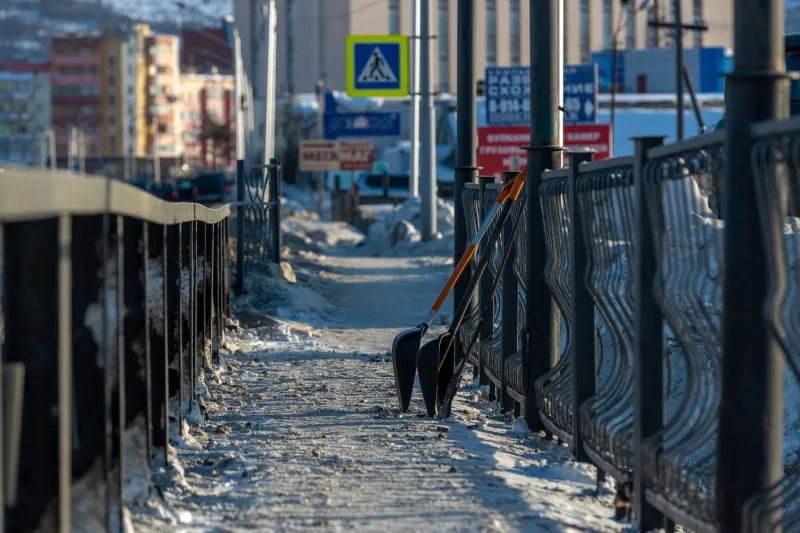
By 11 November 2026, the first proper frost has probably already caught a few of us out. The main roads get the grit lorry, but the cut-throughs, the slopes by the recreation ground and the pavement outside the shop can turn into a skating rink long before anyone official arrives. That is where a simple neighbourhood rota earns its keep. Not a campaign, not a committee — just a handful of households agreeing to keep an eye on one bin and one short stretch of pavement.
Start with a stretch, not a street
The temptation is to say someone should do the whole road. Resist it. A street is too big, too vague and too easy to argue about. A stretch is doable: from your front gate to the corner, or from the bus stop to the alley. Ten minutes with a shovel and a scoop of salt can make the difference between a cautious walk and a cancelled trip.
Draw the stretches on a simple map — paper on the hall table is fine, or a photo in the group chat. Number them. Ask people to claim a number, not a job title. That way nobody feels volunteered for the whole winter, and anyone can step back when work or illness gets in the way.
The two-list method
Keep two lists, and keep them short.
The first is bins. Note which grit bins are on public ground, roughly how full they are and who last checked them. The second is people. Who has a shovel? Who has a spare bag of salt? Who is happy to do a morning pass but not an evening one? Who can only manage a quick scatter on their way to the car?
This is where the exchange comes in. A request for a loaned snow shovel or half a bag of rock salt is exactly the kind of small, specific ask that neighbours can answer. It is also where a recommendation matters. If someone says their neighbour is reliable, tidy and turns up when they say they will, that is worth more than a dozen vague offers.
A rota that survives real life
The best rota is the one that still works when it snows on a Tuesday and everyone is busy. Keep it light.
Try a three-slot day: early morning, lunchtime and early evening. You do not need all three filled. You need one person who has agreed to look, and a named backup who knows they are the fallback. Put the rota somewhere visible and repeat it once a week. A quick message — bin three is low, pavement four is clear, shovel returned to number nine — keeps it from becoming a mystery.
Avoid duplicate effort by marking the map. If two people clear the same corner, one of them has wasted a journey. If nobody clears the slope by the alley, the map shows the gap. The aim is not perfect coverage. It is fewer nasty surprises.
Salt, shovels and the swap shelf
Grit bins are not a free-for-all. Use them for the public pavement they are meant to serve, take only what you need for that stretch, and leave the rest for the next person. If a bin is running low, report it to the council rather than emptying it into a private driveway.
At home, keep a small stash of salt in a lidded tub. A scoop by the door is easier than a sack in the shed. Lend shovels through the exchange with a name on the handle and a clear return day. If you are passing on a spare bag of salt, say whether it is rock salt or the gentler pet-friendly kind. Small labels prevent big misunderstandings.
Keeping it safe and sensible
This is neighbourly help, not a council contract. The council still owns and maintains the public highway, and it remains responsible for its own gritting routes. A rota is a helping hand, not a replacement service.
Keep the work modest. Clear a path, do not attempt to shift a frozen mound. Wear something visible if you are out in low light. Use a shovel rather than a broom handle, lift with your legs and stop if your back complains. Do not put salt down drains, near ponds or heavily on planted borders. Keep pets and children clear of freshly salted patches.
If you are lending equipment, agree what happens if it bends or breaks. Most neighbours will sort it out over a cup of tea, but a quick note in the exchange — borrowed, returned, all fine — saves awkwardness later.
When to call the council instead
A rota cannot fix a blocked drain, a fallen branch or a bin that has been empty since the first cold snap. Those go to the council. The same applies to any pavement you cannot safely clear, or any stretch that needs proper signage. A good buddy scheme knows its limits.
The point of the buddy
The point is not to prove that neighbours can do everything. It is to make the small, ordinary journeys safer: the walk to the school gate, the trip to the shop, the visit to someone who lives alone. A grit bin with a buddy is a bin that gets checked. A stretch with a name against it is a stretch that gets cleared.
So, before the next hard frost: claim a number, label your shovel, and ask on the exchange who has a spare bag of salt. Ten minutes from four households beats an hour from one. And if you find a good helper, recommend them. That is how a winter rota becomes a habit rather than a one-off.