The Kitchen-Table Fixers: How Takeley Mends Before It Replaces
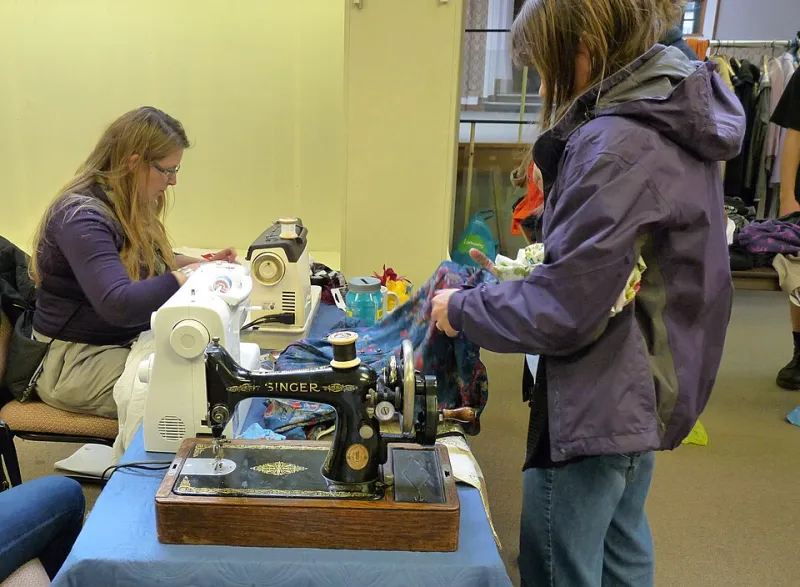
Photo: Karen Blakeman, CC0, via Wikimedia Commons
On a wet November morning in Takeley, the exchange is usually quieter than the school run. Then someone posts a photograph of a lamp — brass base, cream shade, a switch that only works if you hold your mouth right — and asks if anyone knows a person who might look at it. Within an hour there are three replies, a recommendation, and a phone number passed by direct message.
That is the repair-first habit in Takeley. It is not a formal club, and it does not have a banner. It is a chain of neighbours remembering who fixed what. As of November 2026, it is one of the quietest and most useful things happening on the exchange.
A movement without a banner
Repair-over-replace sounds like a policy. In practice, it is a series of small introductions. The retired electrician who rewires lamps. The sewing-machine mender who can tell a bobbin problem from a timing problem over the phone. The neighbour who can free a seized fan heater without breaking the casing. The person who knows which shop in Bishop's Stortford still sells the right fuse for an old radio.
None of this is advertised on a billboard. It is passed along in comments: 'He did my mum's lamp last year, charged a fair price, and told her it was not worth repairing the other one.' That last part matters. A good recommendation includes the times someone said no.
What gets mended in Takeley
The winter list is predictable. Lamps that flicker. Heaters that rattle. Radios that hum. Sewing machines that have not been serviced since a GCSE textiles project. Kettles that click but do not boil. Toasters that only heat one side. Vacuum cleaners with a blocked hose and a hopeful owner.
Not everything should be mended. A mains appliance that smells of burning, has a damaged flex or shows scorch marks should be unplugged and kept away from the exchange. Safety comes before sentiment. A wobbly table can be glued; a fan heater with a melted plug cannot be 'just tried'.
How recommendations do the work
Posts with a clear ask get better answers. 'Can anyone recommend someone who can look at a 1970s Anglepoise lamp? The switch is intermittent and I would rather not replace it' is a good post. It says what the item is, what is wrong and why it matters. It also gives the fixer enough information to say yes or no.
When you recommend someone, say what was fixed, the rough cost, the turnaround and whether the repairer explained the fault. 'Fixed my sewing machine in a week, £35, showed me the bent part' is useful. 'Lovely man' is not. The exchange is not a directory; it is a memory of who helped. That memory works best when it is specific.
Before you hand over a faulty item
Ask a few questions before the item leaves your kitchen:
- What does the initial look cost, and is it deducted from the repair?
- Is the quote fixed or hourly?
- Can they get the right parts for this model?
- What happens if it cannot be fixed — is there a charge for looking?
- Will they test it after repair, especially if it is mains electrical?
- How long will they keep it, and how will they store it?
- Are they insured or competent to work on mains appliances?
- Can you have the old parts back, if you want them?
Also do the simple things. Take a photo of the item and note the serial number. Bring the manual and any accessories. Be honest about the fault. If it tripped the fuse, say so. If it only fails on the coldest night, say that too. A fixer who knows the pattern is halfway to the fix.
The economics of a mended kettle
A cheap kettle costs £15 to £25. A proper repair might cost £20 to £40, depending on the part and the labour. Sometimes that is not the cheaper option. Sometimes the sensible answer is a new kettle, and a good repairer will tell you so.
But a mended kettle often beats a cheap new one. It keeps a better-made object in use. It avoids another plastic kettle going to the tip. It keeps money in the village rather than sending it to a warehouse. And it preserves a small piece of knowledge: who can open this thing, find the fault and put it back together safely.
The greenest kettle is the one already on your worktop. If the repair is close to the price of a decent replacement, ask yourself which one you would rather own in two years. A £40 repair on a solid kettle is often a bargain. A £45 repair on a £12 supermarket kettle is a closer call. The point is not to mend everything. The point is to ask the question before you swap.
The fixer's view
Good repairers are honest about limits. They will tell you when a part is obsolete, when a cheap appliance is not worth opening, or when the fault is not what you thought. They will also ask how you use the item. A heater that only fails on the coldest night might have a simple thermostat issue. A radio with a hum might need a capacitor. A sewing machine might just need a clean and a drop of oil.
Book before the cold snap if you can. December is busy for anyone who fixes heaters, lights and sewing machines. A repair that would take a week in October can take three in the run-up to Christmas.
A winter repair list
Before the first hard frost, check the lamps, heaters, radios and sewing machines. Test the plugs and leads. If a heater smells, stop using it. If a lamp flickers, do not ignore it. If a sewing machine has been in the loft since last winter, give it a clean before you thread it.
And if it is a set of Christmas lights, that is a different thread. The exchange has a kit-lending guide for ladders, timers and spare bulbs — but the repair-first principle is the same: look at what you have before you buy another one.
Why it matters
Every repaired lamp is a small vote for keeping skills local. Every recommendation is a tiny piece of village memory. The exchange does not make Takeley thrifty. It just makes the introductions. The rest is a neighbour, a kitchen table and a fault that turns out to be fixable after all.