Who Pays When the Borrowed Ladder Bends? Sorting Out Damage, Delay and Goodwill in Takeley
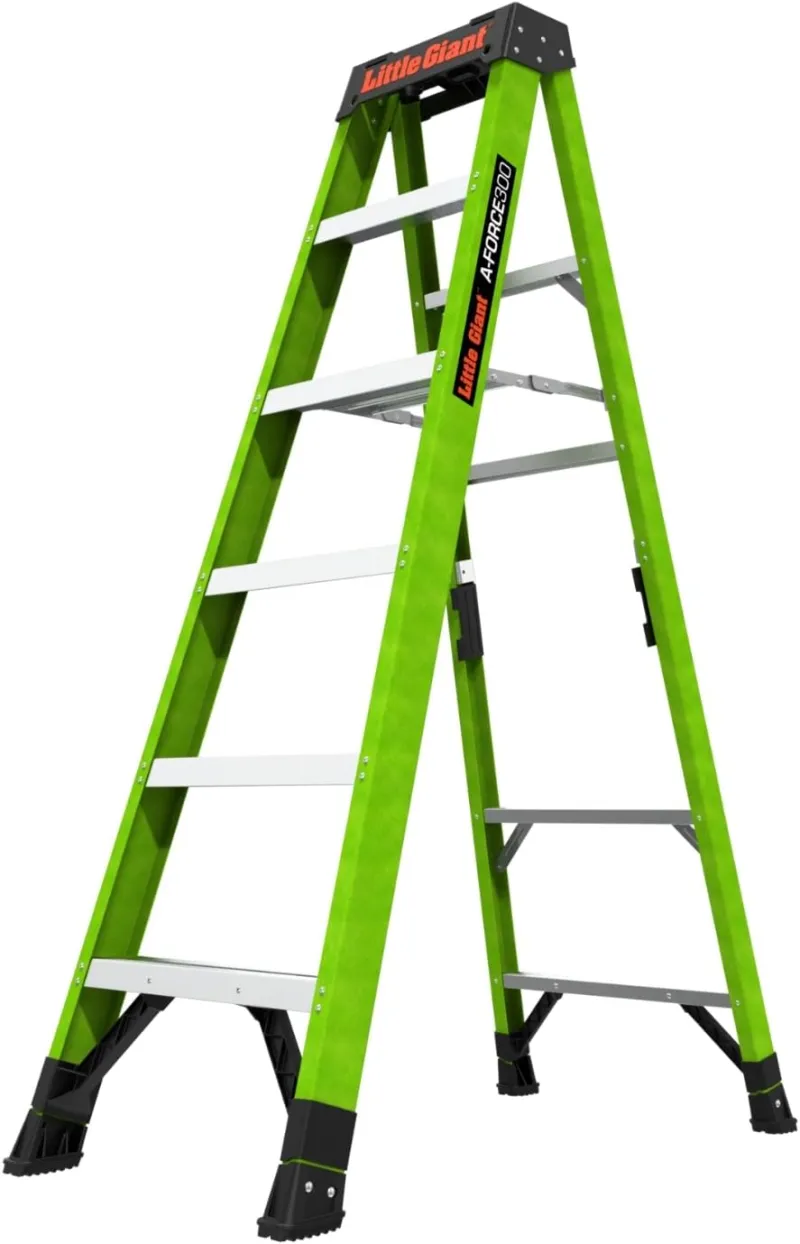
Photo: stepladder leaning against a garden shed with worn wooden handle, via m.media-amazon.com
There is a particular silence that follows a ladder coming back with a kink in the third rung. Nobody wants to be the person who mentions it. Nobody wants to be the person who caused it. And so the ladder goes back into the shed, slightly bent, and something small and unspoken settles between two neighbours who were perfectly friendly on Tuesday.
This is the untidiest corner of any community exchange, and it's worth talking about plainly. Swapping and lending only works at scale if people feel safe doing it — and feeling safe means knowing, roughly, what happens when things go wrong.
The question nobody wants to ask over the garden fence
"If I borrow your pressure washer and it dies mid-driveway, who's buying a new one?"
Ask that out loud and you sound mistrustful. Don't ask it, and you're both quietly hoping. The result is a lending culture that runs on optimism until the first mishap, after which a few people quietly stop lending and nobody quite knows why.
The answer isn't a contract. Nobody in Takeley wants to sign a hire agreement to borrow a hedge trimmer. But a handful of small habits remove almost all of the awkwardness before it starts.
Start with a photo and a sentence
Two photographs and one line of text do more than any disclaimer. Before the item leaves your hands:
- Photograph the item, ideally where it sits, with the day's date visible on a bit of paper or in the photo's details. Two angles: one whole, one close on any existing wear.
- Say what's already wrong. "The handle's loose, it's always been loose, don't worry about it." That single sentence protects you both.
- Say what it's for, and what it isn't. A domestic ladder is not a scaffolding tower. A small trailer is not for a full house clearance.
- Agree the return day out loud, not just in your head.
When the item comes back, a quick glance and a "thanks, that's grand" closes the loop. If something's changed, you've both got a reference point, and the conversation starts from facts rather than memory.
What your household insurance actually covers — and what it doesn't
This is where most people assume far too much. A few home truths, offered in the spirit of "check your own policy, because they genuinely differ":
- Your contents insurance covers your belongings, not your neighbour's. It is not a magic umbrella that follows you into somebody else's garage.
- If you damage someone else's property, that's a third-party liability question. Many UK home policies include some public liability cover as standard, but the limits, excesses and exclusions vary enormously — and DIY lending between neighbours is exactly the sort of thing that can sit in a grey area.
- Accidental damage is usually an add-on, not a given. If you haven't paid for it, don't assume it.
- Small claims aren't worth claiming. By the time you've paid the excess on a bent ladder, you've spent more than the ladder cost.
Practical upshot: for anything under a few hundred pounds, insurance is largely irrelevant and goodwill is doing the actual work. For anything genuinely expensive — a trailer, a decent generator, a serious bit of garden machinery — it's entirely reasonable to ask whether it's insured, and to decide not to lend if the answer is muddled.
If you're the borrower and you're worried, your own policy may offer some cover for property in your care. Ring them. Ask the question directly rather than working from a forum thread.
The four outcomes, ranked by how well they preserve the peace
When something does go wrong, there are only a few sensible endings.
1. Mend it. A new rung, a replacement blade, a re-glued handle. Cheap, quick, and usually the end of it. Offer before you're asked.
2. Replace it fairly. "Fairly" is doing a lot of work there. It means like-for-like, not a shiny upgrade funded by guilt, and not a ten-year-old replacement for a ten-year-old item. Second-hand value is a reasonable starting point, and the exchange's own listings are a decent guide to what things actually go for round here.
3. Share the cost. Genuinely useful when the item was already tired. If a borrowed strimmer was on its last legs, half the cost of a repair is often the fairest landing spot.
4. Let it go. Sometimes the item was old, the damage was fair wear and tear, and the right move is to say so cheerfully and mean it. But say it out loud. Silence gets read as resentment, and resentment outlives most ladders.
What doesn't work: a long, embarrassed pause followed by never mentioning it again. That's how a borrowing culture quietly hollows out.
Late is a different problem from lost
A strimmer returned three weeks late is annoying. A strimmer that never comes back is a different category entirely.
For lateness, one light message does it: "Any chance of the trailer back this weekend? Got a tip run booked." No moralising required. Most lateness is forgetfulness, not theft, and a gentle nudge preserves far more goodwill than a wounded silence.
For a genuine loss, treat it as a replacement conversation and have it early. The longer it sits, the larger it grows.
Knowing when to decline — and how to do it kindly
You are allowed to say no. This is the part people get wrong most often, and it's the part that protects the whole system.
Decline when the item is expensive enough that damage would strain the friendship. Decline when it's your livelihood — the tools you'd be stuck without on Monday. Decline when the borrower's track record is patchy, and decline when you'd be quietly anxious the whole time it was gone.
Do it without a lecture:
"I'd rather not lend that one out, sorry — it's the only one I've got and I'd be twitchy about it. Happy to lend you the smaller one though, or come and give you a hand with it Saturday."
That's a no, an explanation, and an alternative, in two sentences. Nobody's offended and nothing's changed between you.
Where this connects to recommendations
Here's the useful bit. The neighbours who return things clean, on time and with a note are exactly the neighbours people recommend when someone asks for a reliable pair of hands. Reliability in small loans is a visible signal, and in a village of a few thousand people it travels faster than any review page.
So treat the borrowing ledger as what it is: a reputation, built slowly, spent rarely. Photograph the ladder. Agree the day. Say thank you properly. And if it comes back bent — mention it kindly, fix it together, and put the kettle on.
The ladder will survive. So will the friendship, which is the whole point.