Boots, Bins and Borrowed Trailers: Takeley's Monthly Tip-Sharing Plan
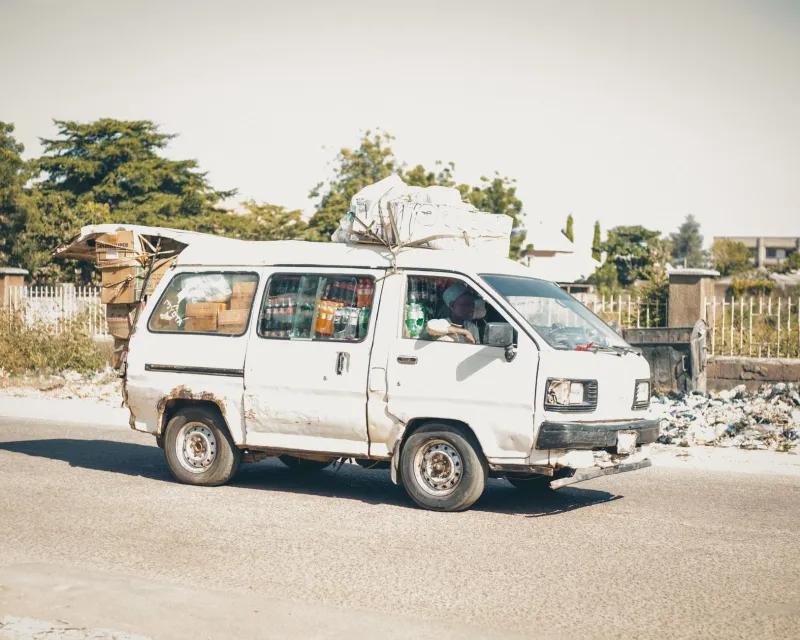
The household tip run has a habit of becoming four separate Saturdays. One neighbour's boot is full of cardboard, another has a broken gazebo, someone else has a shed shelf that finally gave up, and the trailer owner is waiting for a dry morning that never quite arrives. In Takeley, a small monthly convoy can turn that scatter of jobs into one calm trip — provided someone books the slot, someone checks the straps and everyone agrees how the fuel money works before the handbrake goes off.
This is not about turning a village into a waste business. It is a noticeboard-style plan for a handful of households who already know each other, or would like to, and who would rather share a van than add three extra cars to the lane. The aim is simple: fewer trips, safer loads and a Saturday morning that still leaves time for a bacon roll.
Start with the booking, not the boot
The first mistake is loading everything and then looking for a slot. Essex County Council runs an online booking system for household waste and recycling centres, and vans, trailers and some larger vehicles usually need to be declared. Rules can change, so check the current council page before you promise the neighbour with the trailer that you will take their old fence panels.
Pick one booking window and build the morning around it. A mid-morning slot is often kinder than the first rush: the queue has settled, the site staff are not trying to clear an overnight backlog, and nobody is reversing a trailer while half of Takeley is also trying to get in. Put the booking reference in a group chat and ask everyone to screenshot it. That sounds fussy until the one person with the van loses signal at the wrong moment.
Why a convoy beats four separate cars
A shared run works best when it is genuinely shared. That means one van or car-and-trailer taking the bulky stuff, plus perhaps one ordinary car for the awkward small items that need to go in separate recycling bays. It does not mean six cars following each other like a rally. The point is to cut the number of vehicles, not to move the queue from the tip to the Takeley bypass.
A practical shape is four households, one van, one trailer and one meeting point. Everyone brings their items to the same driveway the night before, or by 8.30am on the day. Boxes are labelled with the household name and what is inside. Anything that needs two people to lift stays on the ground until a second pair of hands arrives. That avoids the classic scene of one person trying to walk a washing machine down a step while everyone else watches with a mug of tea.
The loading plan: weight, straps and the two-person lift
Safe loading is where a friendly plan earns its keep. Heavier items go low and over the axle. Nothing should sit above head height. Loose boards, pipes and garden tools need strapping down, even on a short trip. A trailer is not a skip with a wheel; it needs its lights checked, tyre pressures looked at and a sensible weight limit respected.
Gloves and closed-toe shoes are not glamorous, but they are the right kit. Keep glass and sharp metal in separate boxes, double-bagged where possible. Batteries go in a small tub of their own because they are a fire risk when loose. And nobody rides in the trailer, however tempting it might be to save a seat.
The two-person lift rule is simple: if it took two people to get it out of the shed, it takes two people to get it onto the van. That applies at both ends of the trip. A neighbour who helps load but disappears at the recycling centre has not really shared the job.
Fuel, fees and the honesty envelope
Money is the quiet spoiler of many shared errands. Sort it before the day. Fuel can be split by household rather than by number of boxes, because a half-full van still burns the same diesel. The driver fills up before setting off and keeps the receipt. Everyone else pays their share that morning, not three weeks later when the memory of the queue has faded.
Most household waste is free to drop off, but some materials carry a charge or are refused outright. Check the current Essex County Council list before anyone loads a boot. If there is a tip fee, agree who is paying it before the vehicle leaves Takeley. A small kitty — say a tenner per household, with change returned — is often easier than asking people to find the right coins at the gate.
If you are borrowing a trailer, offer fuel money even if the owner waves it away. And return the trailer swept out, with the lights working and the straps coiled rather than knotted in a hedge.
Borrowing a trailer without borrowing trouble
Ask early. A trailer owner who gets a text on Friday night is being asked a favour; one who gets a week's notice is being included in a plan. Confirm that your car is rated to tow the loaded trailer, that your licence covers it and that your insurance is happy. Check the trailer's lights, tyres and coupling before you load a single box. If something is broken, say so before the trip rather than after.
Agree what happens if a light fails or a strap goes missing. Most of the time it is a five-minute fix and a packet of bulbs. The point is that the owner should not have to chase anyone for a repair. A borrowed trailer should come back in the same condition, or better, and with a note of anything that needs attention.
What goes in — and what stays out
A quick checklist keeps the morning moving. Most household recycling centres accept bagged general waste, garden waste, wood, metal, small electricals, cardboard, glass, textiles and batteries in the right containers. Fridges and freezers are usually accepted, but check first. Large DIY amounts, soil, hardcore and plasterboard often have limits or charges.
Some things should not be loaded at all: asbestos, hazardous chemicals, gas cylinders, tyres, trade waste and clinical waste. If you are unsure, ring the council or check the site list before the day. It is far easier to leave an item at home than to be turned away at the gate with a van full of neighbours' rubbish.
A simple Saturday timetable
8.30am: meet at the agreed driveway. Tea, gloves and a quick look at the load.
8.45am: load the van and trailer. Heavy items first, straps on, labels visible.
9.15am: leave Takeley. One vehicle, no convoy of cars.
9.40am: arrive at the recycling centre within the booking window. Unload together, separate the recycling, thank the staff.
10.30am: back in the village, trailer swept, fuel money settled, kettle on.
The noticeboard version
A monthly tip run is not a formal service. It is a small piece of village housekeeping: one booking, one van, a borrowed trailer and a bit of give-and-take. Put a note on the Village Green Exchange noticeboard, ask who has bulky items this month, and see whether one calm Saturday can replace four rushed ones. If it works, the next run will organise itself — and someone will remember the biscuits.