The Borrowed Hour: A Fairer Way to Swap Skills in Takeley This Christmas

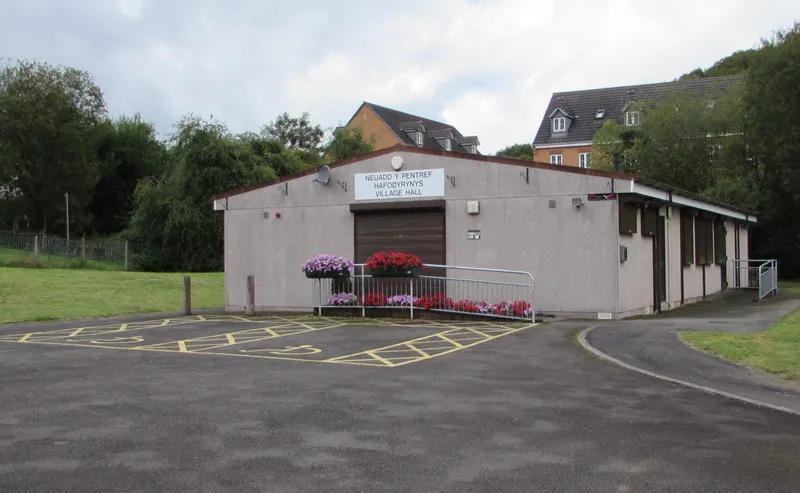
Photo: Linda Bailey, CC BY-SA 2.0, via Wikimedia Commons
Come mid-November, the village noticeboard starts to look like a to-do list: curtains to shorten, a bike with a rubbing brake, a shelf that needs two holes and a level, and a Christmas cake somebody promised to ice. Most of those jobs are not really about money. They are about a skill that already exists three doors down. The borrowed hour is a simple idea: you give an hour of something you are good at, and you get an hour of something you are not. No cash, no awkward haggling, no group chat that goes quiet after eleven messages.
Start with what people can actually do
A skills night works best when it begins with a board, not a spreadsheet. Set up two columns in the hall: 'I can offer' and 'I would like to learn or get done'. Keep the offers practical and specific. 'Bike brakes and gear indexing' is easier to match than 'cycling'. 'Hemming, curtains and small repairs' beats 'sewing'. 'Festive baking: mince pies, sausage rolls, a decent gingerbread' is a proper offer. 'Basic DIY: shelves, picture hooks, flat-pack furniture' is fine, provided the person knows their limits.
Ask people to write their name and a contact number on a sticky note, then put a coloured dot next to the offer: green for 'happy to teach', amber for 'happy to do it together', red for 'advice only'. That last one matters. Some villagers can tell you how to bleed a radiator but should not be let loose on your boiler. The board should make that clear.
Match the hour, not the person
The temptation is to turn it into a mini job centre. Resist that. A skills swap is not a way to get a free plumber; it is a way to learn a bit, get a small job done and meet the person who knows how. Keep the jobs small enough to finish in an hour. A curtain hem, a brake cable, a batch of pastry, a shelf on a wall, a phone photo album sorted into folders. If a job needs two hours, it gets two tokens and a second appointment. If it needs a qualified trade, it gets a recommendation, not a token.
A matchmaker volunteer is worth their weight in biscuits. They stand by the board, read the offers and introduce people. 'You want your curtains shortened; Margaret does hemming and wants her bike looked at.' That is the whole magic trick. The matchmaker also spots the gaps. If nobody offers DIY, put a note on the board asking for a second session. If everyone wants baking but nobody offers it, ask the church hall crowd or the WI.
Time tokens keep it fair
Paper tokens are deliberately low-tech. Print two kinds: a one-hour token and a half-hour token. Each has a space for the giver's name, the receiver's name, the date and a one-line description of the swap. The person giving the hour hands over a token. The person receiving it keeps it until they give an hour back. A timekeeper keeps a simple ledger in the hall: name, tokens out, tokens in.
A few house rules make it work. No money changes hands, ever. Tokens are not transferable outside the group, and they expire at the end of January so the ledger does not grow cobwebs. Cap outstanding tokens at two hours per person. If someone cannot give their hour back, they can donate it to a community pot, which is then used for odd jobs for someone who cannot swap. The token is not legal tender; it is a gentle nudge. It says: this hour mattered.
Safeguarding and insurance, without the frighteners
This is the part that separates a nice idea from a responsible one. Keep the swaps visible. Work in the main hall, or on a driveway in daylight, not behind a closed door. If children or vulnerable adults are involved, a parent or carer stays present, and the session stays open to others. A DBS check is not a legal requirement for every ad hoc community skill swap, but it is sensible for anything that involves children or vulnerable adults. Do not pretend otherwise.
Ask the village hall committee what their public liability insurance covers and whether the group needs its own policy. Most halls have cover for booked activities, but the detail matters. Do a short risk assessment: trailing cables, sharp tools, hot trays, step stools. Keep a first aid kit and an accident book. Avoid gas, consumer units, anything above step-stool height, and any job that needs a certified trade. If someone brings an extension lead, check it is not frayed. If someone is using a sewing machine, PAT testing is a nice-to-have; common sense is essential.
Write a simple swap note for each job: what is being done, by whom, where, and what 'done' looks like. It is not a contract. It is a way to avoid the classic village misunderstanding where one person thought 'fix the bike' meant a brake adjustment and the other thought it meant a full service.
Why a neighbour beats another group chat
WhatsApp is excellent for asking. It is less good at finishing. A message gets buried under school run updates and a photo of someone's cat. A skills night puts a person in front of you, with a time and a place and a token in their hand. That is accountability with a cup of tea.
A paid course can be lovely, but it costs money and a Tuesday evening. A neighbour's kitchen table costs an hour and a tin of biscuits. You learn the practical version: how to hold the fabric, which wool is on offer at the garden centre, the trick with the bike cable that the manual skips. You also learn who to ask next time. That is the real return on the hour.
A simple running order
Book the hall for a Saturday morning, 10am to 1pm. Put up the offer and want board by half nine. Have tea, coffee and a plate of something. At ten, give a two-minute explanation of the tokens and the rules. Then let the matchmaker work the room. From half ten, people can start swapping: a hem at one table, a brake at another, a baking demonstration by the kitchen hatch. At half twelve, do a five-minute round-up: what worked, what needs a second session, who still has tokens outstanding.
If you are setting one up for Saturday 21 November 2026, keep the first one small. Twelve to twenty people is plenty. The second one will be easier, because the board will already have names on it. And by the time the Christmas list arrives in full, the village will have remembered something useful: the person who can help is often already on the next street.