The Wet-Saturday Shelf: Takeley's Board-Game and Jigsaw Lending Club
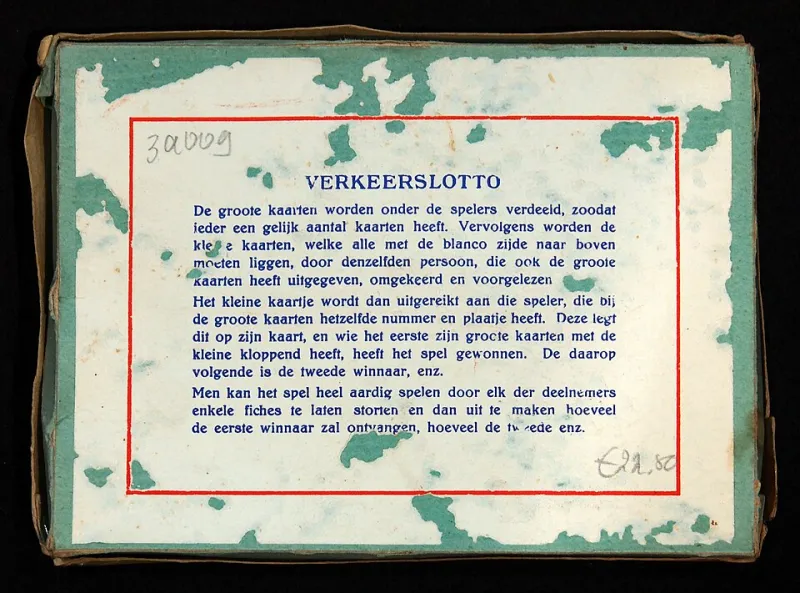
Photo: Alf van Beem, CC0, via Wikimedia Commons
Takeley has a useful habit of making more of what is already in the cupboard. A spare slow cooker becomes a batch-cook swap; a ladder does the rounds; a box of coats finds a second winter. The same idea works for the rainy-day shelf. Most villages have jigsaws with a few pieces missing, board games with threequarters of the counters, and families who would happily play them if only they knew who had what.
A games lending shelf is not a shop and does not need to be a grand library. It is a small, dry corner, a clear label and a simple promise: borrow it, play it, bring it back. Here is how to set one up in Takeley without turning a pleasant swap into an admin job.
Start with a shelf, not a catalogue
Aim for twenty to thirty items to begin with. That is enough variety without needing a spreadsheet the size of the parish council minutes. Ask on the Village Green Exchange noticeboard for complete jigsaws, family board games, card games and puzzle books that have finished their turn in your house. A sturdy shelf in a dry porch, a lidded plastic crate in a village hall cupboard, or a labelled box at the back of a community room all work.
Keep it simple: one shelf, one sign, one named contact. The sign can say what the shelf is, where the loan book lives and when returns are checked. A Saturday morning shelf hour is often easier than promising round-the-clock access. People can browse, ask questions and hand things back without a queue.
The label does most of the heavy lifting
Every box needs a card, and the card needs to answer the obvious questions. For a board game: title, age range, number of players, rough playing time, and a list of what should be inside. For a jigsaw: title, piece count, finished size if known, and the date the pieces were last counted.
Use a small plastic bag for loose pieces and counters. Keep the instructions with the game, or note clearly if they are missing. Add the owner's initials, not their full address, and say whether the item is a permanent donation or a loan that should come home. A photograph of the open box and its contents is surprisingly useful when someone is trying to remember whether the green houses were ever there.
Count once, then trust the tally
Counting every jigsaw before every loan is a recipe for giving up. Count it once when it arrives. Tip the pieces onto a tray, count them into a sealable bag, write the number on the card and note the date. For board games, do the same with the awkward bits: dice, counters, score pads, special cards. A simple checklist inside the lid is enough.
If something arrives already incomplete, label it honestly. "One piece missing, top-left sky" is far more useful than discovering the gap on a wet Sunday afternoon. An honest label is not a flaw; it is the sort of local knowledge that makes a swap shelf work.
The borrowing ritual
Keep the loan log short. Item, borrower's name, date out, date due back. A two-week loan or a return-by-next-Saturday rule is easy to remember. No deposit is needed for most items; a named contact and a sensible return date are usually enough. If a game is valuable or has sentimental weight, it probably belongs at home rather than on the shelf.
Porch pickups work well in Takeley, but keep the shelf itself dry. A damp box of cardboard is nobody's idea of fun. Wipe down wipe-clean surfaces, let everything air before it goes back in the crate, and keep jigsaws away from leaky outbuildings.
When a piece goes walkabout
The missing piece is the moment a friendly swap can turn sour, so agree the policy before it happens. The best rule is simple: tell the truth, write a note, and do not make it a court case. If a jigsaw comes back one short, the borrower pops a slip in the box saying which piece is missing and roughly where it belongs. The shelf keeper updates the label. The puzzle can still be lent as a one-piece-short challenge, which some people rather enjoy.
For board games, substitute what you can. A missing counter can be replaced from the oddments tin; a lost die can be swapped for another. If a key card has vanished, mark the game as incomplete and let the next borrower decide. Keep a small "sorry slip" pad by the loan book so people can explain a missing piece without an awkward doorstep conversation. It is not about blame. It is about keeping the shelf honest and the next player informed.
Make room for different kinds of rainy day
A good shelf has something for a short afternoon and something for a long one. Include quick card games, family favourites, simple children's games and a couple of proper 1,000-piece jigsaws for the Christmas table. Add a few large-print or low-reading puzzles for older visitors, and keep tiny pieces away from households with very young children.
Seasonal rotation helps. In November and December, bring out the family games and festive jigsaws. In January, swap in quieter puzzles and two-player games. You do not need a formal catalogue; a handwritten list on the inside of the crate lid is enough.
The social bit is the point
Leave a notebook on the shelf for quick verdicts. "The detective game went down well with ages eight to twelve." "This jigsaw is lovely but the sky section is brutal." Those scribbles become genuine local recommendations, the sort that help another household choose a Saturday afternoon activity without buying anything new.
A labelled box and a loan book are small things. But on a wet Takeley weekend, they can be the difference between another hour on a screen and a proper afternoon round the table. Start with a shelf, count the pieces once, and let the village do the rest.