The Growing-Out-Of-It Rail: Takeley's November Coat and Kit Swap
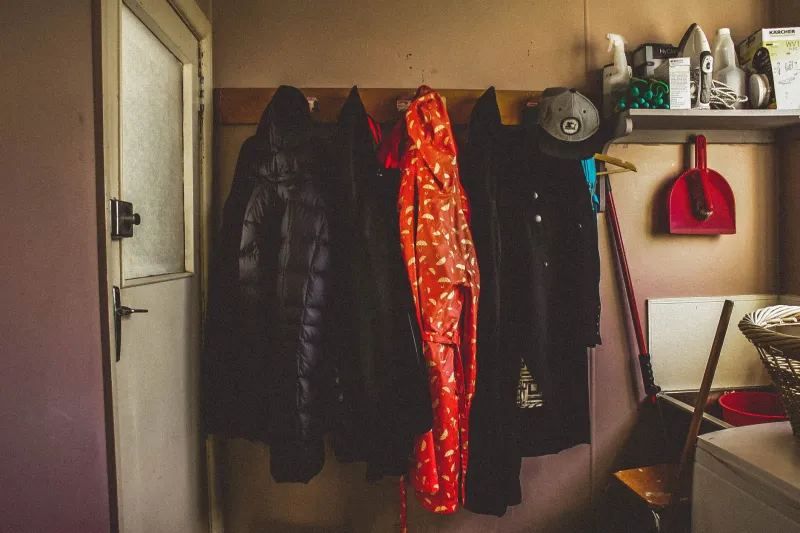
There is a particular November morning in Takeley when the coat rail at home turns against you. The sleeves stop at the wrist, the zip gives up halfway, and the wellies that were fine in spring suddenly pinch. Children do not grow politely in line with the calendar; they sprout overnight, usually just as the first proper frost arrives. In November 2026, with the school term in full swing and everyone watching the heating dial, a children's winter coat and kit swap is one of the most practical things a village can do.
The aim is simple: a rail of clean, wearable winter gear, sorted so people can actually find their child's size, and a room where asking for help is not part of the transaction. Bring what has been outgrown, take what fits, and let the rest go to a sensible second home.
Start with a rail, not a heap
The quickest way to turn a good swap into a scrum is to tip everything onto a table. Coats need hangers, and hangers need a rail. Borrow or hire a sturdy clothes rail, or use two if you have the space: one for coats and snow suits, one for school kit and smaller bits. Put wellies, gloves, hats and book bags in shallow boxes underneath, not in a tangled pile on the floor.
Label the rail in broad size bands rather than single ages. Try 2–3, 4–5, 6–7, 8–9, 10–11 and 12–13. Children are not standard issue, so add a few hangers marked 'fits like 7–8' or 'long in the arm'. A tape measure tied to the rail is oddly reassuring. So is a mirror in a corner and a clear space to try things on without an audience.
Grade condition honestly, before anything goes on the rail
A swap only works if the next family can trust what they are picking up. Use three simple labels: 'ready to wear', 'needs a little love' and 'craft or patch only'. Be honest about zips, linings, cuffs, missing toggles, stubborn stains and tired waterproofing. A coat with a broken zip is not useless, but it belongs in the repair basket, not on the main rail.
For coats, check the zip runs smoothly, the lining is not shredded, the Velcro still grips and the hood stays up. Give the fabric a quick look in good light; waterproof coatings can look fine indoors and fail in a drizzle. For wellies, check for cracks at the flex point and leaks at the seam. For school jumpers and cardigans, look at elbows, cuffs and logos. Anything damp, musty or unwashed stays at home. Wash at the temperature on the label, dry it fully, and send it in clean. A small 'washed' sticker on the hanger saves a lot of whispered doubt.
Size the rail so it does not become a jumble
One rail per size band is ideal, but even a single rail can work if you use coloured tags. Red for coats, blue for school uniform, yellow for waterproofs. Put the size on the hanger, not on a scrap of paper that will fall off by ten past ten. Keep a 'not quite right' basket near the try-on mirror so people can re-rail things without feeling they have made a fuss.
It also helps to separate the very practical from the very specific. Plain school jumpers, dark trousers, PE shorts and generic waterproofs move quickly. A coat with a school crest may still be wanted, but it needs its own labelled hanger. Hats, gloves and scarves should be washed and paired where possible; odd gloves can go in a freebie box, because someone always has a use for one spare.
Swap, token sale or freebie?
Not everything on the rail is the same kind of thing. A clean, complete, wearable coat that is likely to be wanted is a straightforward swap. A barely worn branded waterproof or a pair of good wellies might be a token sale at £2–£5, with the money going into the tea fund or the hall hire rather than anyone's pocket. A decent item with a small flaw — a missing toggle, a faint mark, a zip that needs a new pull — is best as a freebie, clearly labelled so nobody feels misled.
Anything unsafe, unhygienic or properly worn out should not go on the rail at all. Textile recycling is the kinder ending for a coat with a broken zip and a torn lining. The same goes for underwear, socks and anything that cannot be properly washed. A swap is not a way to avoid the tip; it is a way to pass on things that still have useful life in them.
Keep the dignity bit simple
Do not turn the morning into a means test. Everyone brings what they have outgrown, everyone is welcome to look, and nobody has to explain why they are there. Avoid announcements about 'families in need' and skip the clipboard that records who took what. If someone wants to take a coat without bringing one, let them. The rail will balance itself out over a season, and a village that keeps score is not much of a village.
Practical dignity is mostly about layout. Give people room to look without being watched. Keep the try-on mirror away from the tea table. Use neutral language: 'looking for the next size up' is fine; 'can't afford a new one' is nobody's business. And make sure the freebie box is genuinely free — no suggested donation, no awkward pause.
The kit beyond the coat
Winter is not just a coat. Puddle suits, waterproof trousers, snow boots, thermal base layers, school jumpers, PE kits, book bags, hats and gloves all have a place. Wellies should be cleaned inside and out and left to dry properly before they go on the rail. Hats and gloves need a wash, and anything that cannot be washed should not be shared. School uniform with logos is worth checking against the school's own rules before it goes into the main swap, but generic dark trousers and plain jumpers are almost always welcome.
Run the morning without a scrum
Set up an hour before opening so the rail is sorted before the first family arrives. Put one person on the door, one on the rail and one on tea. Keep the aisle wide enough for buggies. Have spare carrier bags and a couple of boxes for leftovers. If you can, offer a quiet first half-hour for families who find busy rooms difficult; it costs nothing and makes the swap kinder.
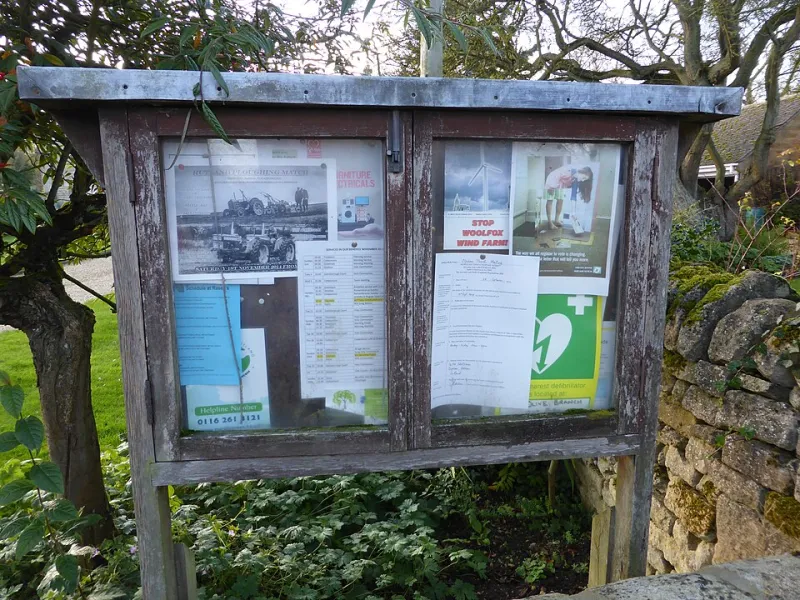
At the end, sort what is left into three piles: school spares, charity shop and textile recycling. Thank the volunteers, fold the rail away and make a note of which sizes disappeared fastest. That note is your shopping list for the next swap, and it is the sort of local knowledge that makes Takeley's noticeboard more useful than any algorithm.
A winter rail will not solve every cost-of-living worry, but it does something quietly practical: it turns a growth spurt from a bill into a swap. Bring the coat that no longer does up. Leave with one that does.