Cabin Bags on the Hall Table: Takeley's Pre-Flight Borrowing Shelf
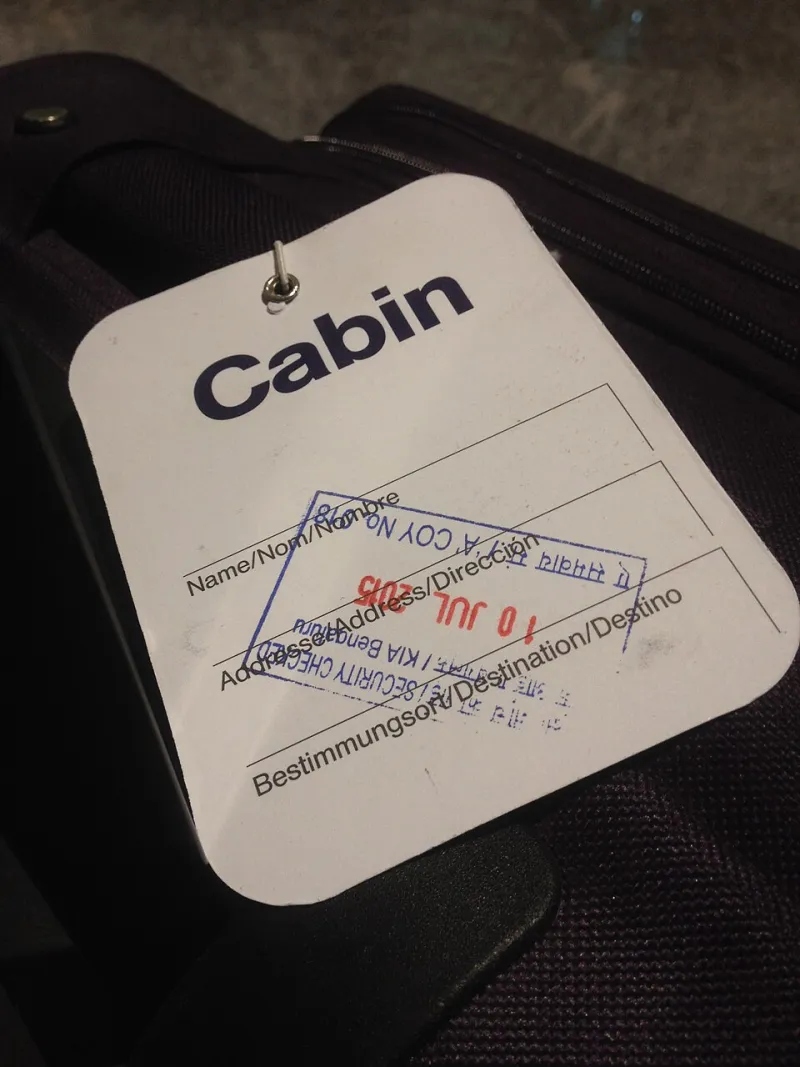
Photo: Veethika, CC BY-SA 4.0, via Wikimedia Commons
Takeley has a particular relationship with hand luggage. You can be at Stansted in minutes, which makes a week of winter sun feel like a very reasonable December plan — and it also means the village is full of cabin bags that spend fifty weeks of the year under a bed. The same goes for luggage scales, universal adapters, neck pillows and those thin folding rain jackets that seem essential for one trip and then vanish into a cupboard.
So rather than buying another bag for a single EasyJet hop, the Village Green Exchange noticeboard can do what it does best: match a spare item in one porch with a neighbour who needs it for a fortnight. This is not a formal rental scheme. It is a pre-flight borrowing shelf, run on labels, goodwill and a sensible return date.
Why the Stansted run makes this a natural swap
Most Takeley households know the routine: the night-before weigh-in, the last-minute search for a plug adapter, the debate about whether a neck pillow counts as a personal item. Because the airport is so close, winter-sun trips tend to be short and specific. You need the kit for a few days, not a lifetime.
That makes the noticeboard a better fit than a shop. A cabin bag that has already been through a few Ryanair queues is not a glamorous item, but it is exactly what someone else needs for a long weekend in the Canaries. The same is true of a luggage scale that has been sitting in a drawer since February.
What belongs on the shelf — and what stays home
The shelf works best when it sticks to the practical, low-value travel kit that people are happy to lend:
- soft-sided cabin bags that meet a named airline's current size rules
- handheld luggage scales with working batteries
- universal travel adapters with UK plugs and clear instructions
- neck pillows with washable covers
- folding rain jackets in neutral sizes
- small packing cubes, clear toiletry bags and luggage tags
Leave out anything personal, medical or expensive. Passports, medication, jewellery and anything with a lithium battery that looks tired should stay with their owner. Child car seats and travel cots are usually better handled as a separate, carefully checked loan — not lumped in with a cabin bag.
Airline cabin sizes change, so the borrower should check the current rules before collecting. A bag that was fine for one carrier last winter may not suit another this year. The noticeboard listing should name the airline and the size in centimetres, not just say "cabin bag".
The label that does the heavy lifting
Every item on the shelf needs a label. Not a stylish one — a useful one. A luggage tag or a strip of masking tape with the lender's name, phone number or email, the return date and a short description is enough. Something like: "Grey cabin bag, 45 x 36 x 20, borrowed by Patel household, return by 18 Dec."
A photo before handover is also sensible. It takes ten seconds and saves a lot of awkwardness if a wheel is scuffed or a strap goes missing. The borrower should photograph the item on collection, and the lender should keep the same photo. That is not distrust; it is just a clear record.
Cleaning and condition rules
A borrowed bag should come back empty, wiped down and ready for the next person. That means checking every pocket, shaking out the crumbs, wiping the wheels and giving the fabric a quick once-over with a damp cloth. Neck pillows should have their covers washed if possible. Adapters should be checked for loose pins. Folding rain jackets should be dry before they go back in their pouch.
If something breaks or goes missing, say so early. A missing strap or a cracked adapter is not the end of the world, but it is much easier to sort out in the same week than in January. The general rule is simple: return it clean, return it complete, and if it is damaged, offer to replace it or agree a fair contribution.
A return deadline that beats the Christmas rush
This is the part that keeps the shelf from becoming a permanent storage unit. For winter-sun trips in late November and early December 2026, set a return date of Friday 18 December. That is early enough to get every bag back before the Christmas post gets silly and before households start travelling again.
If your flight lands after that date, arrange a separate return with the lender rather than assuming the shelf stays open. The noticeboard listing should always show two dates: the collection date and the return-by date. Borrowers should stick to them. Lenders should not lend anything they need back before then.
How to post without turning it into a group chat
Keep the listing short and useful. A good format is: BORROW or OFFER, item, size, airline, collection dates, return date and porch location. For example: "OFFER: cabin bag, 40 x 20 x 25, Ryanair size, collection from 16 Nov, return by 18 Dec, Porch at 12 Mill Lane." Then add one line about condition and cleaning.
First come, first served is fine. No need for a bidding war. If two people want the same bag, the earlier message gets it, and the second person can ask to be next in line. The point is to keep the kit moving, not to run a lost-property desk.
The small print that keeps it friendly
No money changes hands for a ordinary cabin bag loan. This is a neighbourly swap, not a hire business. If someone wants to leave a token packet of biscuits or a jar of jam, that is a nice extra, but it should never be the condition of borrowing.
And if you are the one flying, remember that the shelf is there to save you a purchase, not to replace your own responsibility. Check the bag against your airline's current rules, pack it sensibly, and bring it back on time. Do that, and the hall table stays clear, the cupboard stays tidy, and the next Takeley traveller has a decent bag waiting.